Moving to Lee's Summit, MO: The Complete 2026 Relocation Guide Part 1
Lee's Summit is a suburb of about 109,000 people on the southeastern edge of the Kansas City metro, and it's a good fit if you want more house for your money than you'd get closer to downtown KC, a school district that consistently ranks among the best in Missouri, and a commute into the city that still runs under 30 minutes most days. The median home sold for around $415,000 in early 2026, up double digits from a year earlier, so it's not the bargain suburb it was a decade ago, but it's still notably cheaper than comparable areas in Johnson County, Kansas.
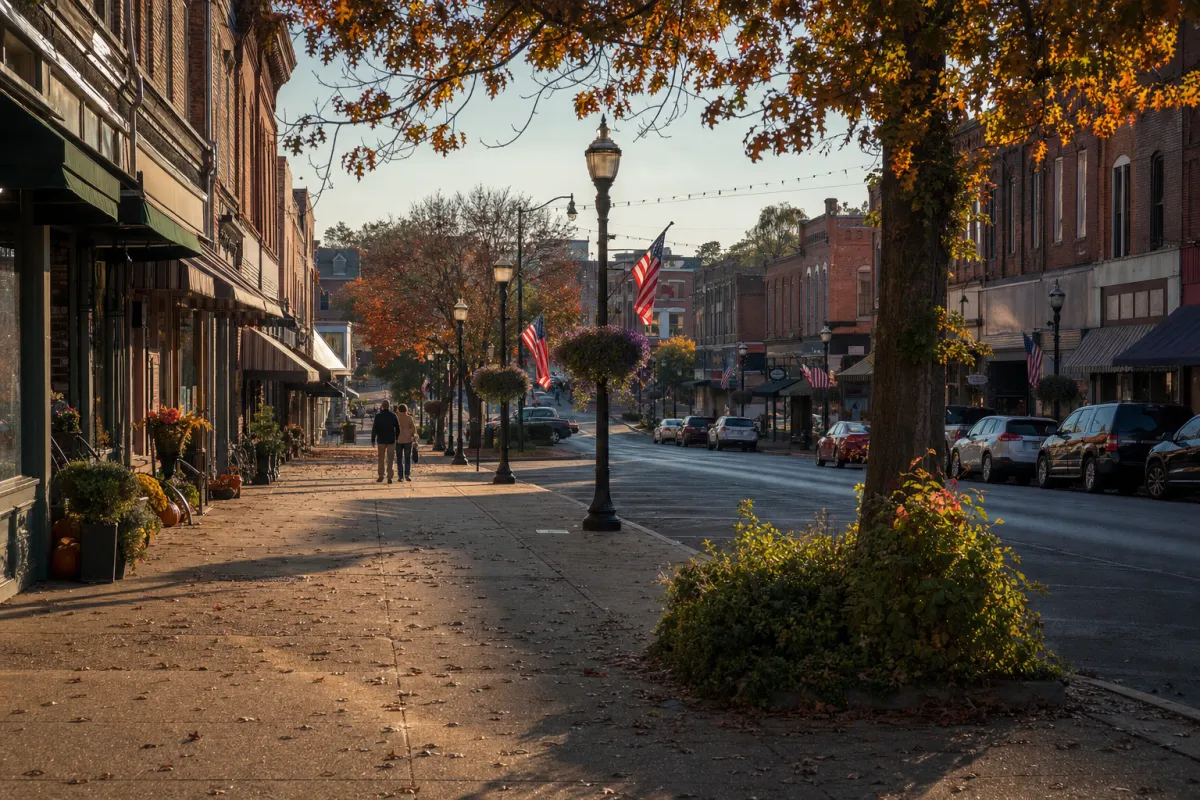
Where it gets more specific is this: Lee's Summit isn't one thing. Lakewood and Raintree Lake are lake communities built around private lakes with their own HOAs and price points well into the seven figures on the water. Downtown, around Main Street, is walkable and full of local restaurants in a way most of the newer subdivisions aren't. Cedar Creek is a 55+ community that looks nothing like the neighborhoods aimed at young families near the newer schools. If soLee's meone tells you "Lee's Summit is great" or "Lee's Summit is overrated," ask them which part of it they actually lived in, because the answer changes a lot depending on where you land.
This guide walks through what you actually need to know before you move here: which neighborhoods fit which kind of life, what the R-7 school district is really like compared to Blue Springs next door, what it costs to live here month to month, what the weather actually does to you (tornado season is real, and so is humidity in July), and the small logistical stuff that trips up newcomers, like Missouri's income tax withholding and how property tax bills work in Jackson County.
If you're short on time: Lee's Summit is a strong choice for families chasing good schools and space, a reasonable one for young professionals who don't mind a suburban commute, and a genuinely good one for retirees looking at Cedar Creek or similar low-maintenance options. It's a tougher sell if you want true walkability outside of the small downtown core or if you're allergic to HOAs, since a large share of newer construction here comes with one.
Decision Tool
If you're looking for top-rated schools and room to grow: start with the neighborhoods feeding into Lee's Summit R-7 elementary schools with strong ratings, and budget for the $450,000 to $650,000 range for a newer four-bedroom.
If you're a young professional who wants walkability and a shorter commute: look at Downtown Lee's Summit near Main Street, or consider whether the commute tradeoff makes more sense living closer to the Country Club Plaza or Waldo instead. Lee's Summit works, but it's a suburban commute, not a five-minute bike ride.
If you're buying a luxury or lakefront home: Lakewood (around Lake Winnebago) and Raintree Lake are where the money is. Expect HOA dues, private lake access, and a genuinely different look and feel than the rest of the city.
If you're retiring or downsizing: Cedar Creek Village and similar 55+ or maintenance-provided communities solve the yard-work problem and put you close to Saint Luke's East Hospital.
If you're a first-time buyer on a tighter budget: you'll find more room to negotiate in the established neighborhoods north and west of downtown than in the newest construction, and there are Missouri down payment assistance programs worth checking before you rule anything out.
If you're relocating for a job and haven't picked a suburb yet: Lee's Summit is worth cross-referencing against Blue Springs (similar price point, slightly different school district) and Raymore (smaller, a bit more rural feel) before you commit.
People move to Lee's Summit for pretty consistent reasons: the schools, the value compared to Kansas City's more expensive suburbs, and a small-town downtown feel that a lot of KC-area suburbs have paved over. What most relocation guides skip is the texture underneath that: which specific neighborhoods deliver on that promise, where the tradeoffs actually show up (property tax rates that run a bit higher than the county average, an HOA on most new construction, a real tornado season every spring), and what a newcomer needs to do in the first ninety days that nobody thinks to mention until they've already missed a deadline.
This guide is written from the perspective of someone who works in this market every day, not a national relocation site pulling the same five stats every city guide uses. By the end, you should know not just whether Lee's Summit is a good move, but which part of it is the right move for the life you're actually building.
Hidden Gems
The Wednesday farmers market, not just the Saturday one. Most newcomers only know about the Saturday market. The Wednesday session (same hours, same location) is quieter, easier to park for, and just as good for produce.
Free covered parking at 2nd and Green. Not obvious from the street, and it solves the one real friction point of visiting downtown on a market day.
The gap between "Lee's Summit" the mailing address and the actual city limits. Some homes with a Lee's Summit address are technically in unincorporated Jackson County or a neighboring city's limits, which can affect which services and tax rates actually apply. Always confirm, don't assume the mailing address tells the whole story.
Legacy Park's size relative to its foot traffic. At 692 acres, it rarely feels crowded even on a nice weekend, which is more than you can say for a lot of metro-area parks its size.
Best By Category
Best Overall: Established neighborhoods near Legacy Park (central Lee's Summit)
Best Value: Areas north and west of downtown with older, established housing stock
Best Luxury: Lakewood
Best for Families: Neighborhoods near top-rated LSR7 elementary schools, particularly around Legacy Park
Best for Retirees/Empty Nesters: Cedar Creek
Best for Young Professionals: Downtown Lee's Summit / Main Street area
Best for Outdoor Lovers: Anywhere within easy reach of Legacy Park or the broader trail system
Best for Walkability: Downtown / Historic Main Street
Best for Lake Living on a Slightly Tighter Budget: Raintree Lake
Best for New Construction: The newer subdivisions on the city's eastern and southern edges, though confirm HOA terms before assuming
Seasonal Guide to Moving and House Hunting
Spring (March-May): The most competitive house-hunting season, tied to families wanting to close before the next school year. It's also the start of tornado season, so factor storm shelters or safe rooms into your home search if that matters to you.
Summer (June-August): Hot and humid, with average highs near the mid-to-upper 80s in July. Inventory is decent, but so is competition, especially from families racing the school calendar.
Fall (September-November): Generally the best window for serious buyers: less competition than spring or summer, sellers who are often more motivated, and the weather is genuinely pleasant.
Winter (December-February): The quietest season for competition and often the best window to negotiate, though inventory is thinner. January averages around 23°F, and snowfall (about 14 inches a year on average) is manageable but real.
Weekdays vs. weekends for house hunting: Weekday showings tend to have less competition for popular listings; weekend open houses are more crowded but useful for getting a feel for multiple neighborhoods quickly.
If You're Moving Here
Neighborhood context first. Decide whether you're prioritizing schools, lake living, walkability, or low-maintenance living before you start touring, since Lee's Summit genuinely offers different experiences depending on where you land.
Commute reality check. Budget 25 to 30 minutes to downtown Kansas City under normal conditions, closer to 45 minutes if you're relying on the RideKC Lee's Summit Express bus (Route 550) instead of driving. It's about 38 miles and roughly 49 minutes to Kansas City International Airport (MCI/KCI), which matters more than people expect if you travel often for work.
Taxes. Missouri's state income tax is graduated (roughly 2% to 4.7% for 2026), which is meaningfully lower than Kansas's rates if you're comparing against a Johnson County suburb. Property taxes in Lee's Summit run a bit higher than the Jackson County average (effective rate around 1.36% versus the county's 1.11%), so don't assume county-level averages apply directly to your specific address.
Utilities and setup. Handle utility transfers, internet, and trash service setup before closing if possible; new residents are sometimes surprised these aren't automatically bundled the way they might be in an apartment.
Schools. If schools are a priority, confirm the specific attendance boundary for any home you're considering before you get attached to it. Lee's Summit R-7 is a large district (nearly 18,000 students), and boundaries can split neighborhoods in ways that aren't obvious.
HOAs. A large share of newer Lee's Summit construction comes with an HOA. Read the documents, understand the dues, and ask what they actually cover before assuming they're a rubber stamp.
Healthcare. Saint Luke's East Hospital, a 238-bed Level II trauma center, is based in Lee's Summit and is a major local employer as well as the primary hospital most residents use.
We will dive into the subdivisions on the next blog!
Frequently Asked Questions
Is Lee's Summit, MO a good place to live? For most families and move-up buyers, yes. It combines a strong school district, meaningfully more space for the money than closer-in KC suburbs, and an actual downtown with character. It's a tougher fit if you want dense walkability outside the small Main Street core or want to avoid HOAs entirely.
How far is Lee's Summit from downtown Kansas City? About 18 to 19 miles, roughly a 25 to 30 minute drive under normal traffic via US-50/I-470. A commuter bus route (RideKC 550) also runs the trip in about 45 minutes.
What is the cost of living like in Lee's Summit? Slightly above the national average overall, driven mainly by housing costs, which run notably higher than the average U.S. city. The median household income (around $105,690) is also well above the national median, which helps offset that gap for a lot of residents.
Is Lee's Summit safe? Generally considered one of the safer suburbs in the KC metro, particularly for violent crime, which runs well below both state and national rates. Overall crime statistics vary somewhat by source and by specific neighborhood, so it's worth checking neighborhood-level data for any address you're seriously considering.
What school district is Lee's Summit in? Most of the city is served by Lee's Summit R-7, which carries an A grade on Niche and ranks among the top school districts in Missouri. A small portion of the broader area may border other districts, so always confirm the exact boundary for a specific address.
Does Lee's Summit have a state income tax? Yes, Missouri's, which is graduated from about 2% to 4.7% depending on income for 2026. That's generally lower than Kansas's rates, which matters if you're cross-shopping against a Kansas-side suburb like Overland Park.
What's the property tax rate in Lee's Summit? The effective rate runs around 1.36%, somewhat higher than the broader Jackson County average of 1.11%, with a median annual bill in the neighborhood of $4,150.
When is the best time to move to Lee's Summit? Fall tends to offer the best combination of manageable weather, less buyer competition, and still-reasonable inventory. Spring is the most competitive due to the school-year timeline, and it also overlaps with the start of tornado season.
Mark Wiesemann
REMAX Heritage
816 914-2845 / 816 224-8484